


Choosing the Right Pet for Your Home: A Comprehensive Guide
Bringing a pet into your home is an exciting decision that comes with significant responsibilities. Whether you're a first-time pet owner or adding to your family, selecting the right companion requires careful consideration of multiple factors. This guide will help you navigate the decision-making process by examining key considerations across various popular pet options.

Essential Factors to Consider
Experience Level
Your previous experience with animals plays a crucial role in determining which pet is appropriate for you. First-time pet owners may find themselves overwhelmed by high-maintenance animals, while experienced owners might welcome the challenge of more demanding species.
Beginners typically do well with pets that have straightforward care requirements and forgiving temperaments. Fish, hermit crabs, and certain cat breeds often make excellent starter pets. Conversely, birds, ferrets, and reptiles frequently require specialized knowledge, specific environmental conditions, and nuanced understanding of their behaviors.
Budget Considerations
The financial commitment of pet ownership extends far beyond the initial adoption or purchase price. A realistic assessment of ongoing costs is essential for responsible pet ownership.
Initial Setup Costs: Dogs and cats require beds, bowls, toys, collars, and leashes, typically ranging from $200 to $500. Fish tanks demand significant upfront investment in equipment, filtration systems, and proper setup, often costing $300 to $1,000 or more for a quality system. Reptiles need specialized enclosures with heating and lighting equipment, frequently totaling $300 to $800. Small animals like hamsters or guinea pigs have modest initial costs of $100 to $300, while ferrets require cages, litter boxes, and accessories totaling $200 to $400.
Ongoing Monthly Expenses: Dogs typically cost $100 to $300 monthly for food, treats, and supplies, with larger breeds at the higher end. Cats generally run $50 to $150 monthly. Small animals like hamsters or guinea pigs cost $30 to $60 monthly, while ferrets require $50 to $100. Birds range from $30 to $100 depending on size and dietary needs. Fish maintenance, including food and water treatments, averages $20 to $50 monthly. Reptiles cost $30 to $80 monthly for food and substrate replacement. Hermit crabs are the most economical at $10 to $20 monthly.


Children in the Home
The presence and ages of children significantly influence which pet is most suitable. Young children require pets that are both durable enough to handle enthusiastic interactions and gentle enough to be safe companions.
Dogs, particularly certain breeds known for patience and gentleness, can be wonderful family pets but require supervision with young children. Cats vary considerably in their tolerance for children, with some breeds being notably patient while others prefer quieter environments. Guinea pigs and rabbits can be excellent for children aged six and older when handled properly, teaching responsibility while being interactive and relatively sturdy.
Conversely, hamsters and other small rodents are fragile and may bite when startled, making them less suitable for children under eight. Ferrets, despite their playful nature, can nip and require gentle handling that young children may not consistently provide. Birds can be frightened by loud noises and sudden movements, while reptiles generally require minimal handling and may carry salmonella, necessitating careful hygiene practices around children. Fish tanks and hermit crabs offer excellent observation opportunities without the risks associated with direct handling.
Work Schedule and Time Availability

Your daily schedule directly impacts your ability to provide adequate care and companionship. Honest assessment of your availability is crucial for your pet's wellbeing and your own satisfaction.
Dogs require the most significant time investment, needing multiple daily walks, play sessions, training, and companionship. Most dogs should not be left alone for more than six to eight hours daily. Cats are considerably more independent, managing well with working owners who provide morning and evening interaction. Small animals like hamsters are largely nocturnal and content with evening attention, while guinea pigs benefit from several hours of social interaction daily.
Ferrets need several hours of supervised out-of-cage time daily for exercise and mental stimulation. Birds, particularly parrots, require extensive daily interaction and can develop behavioral problems without adequate attention. Reptiles need minimal daily time investment aside from feeding schedules and weekly habitat maintenance. Fish require daily feeding and weekly tank maintenance but no direct interaction time. Hermit crabs are among the lowest maintenance pets, requiring brief daily observation and weekly habitat care.
Allergies
Pet allergies affect millions of households and must be seriously considered before bringing an animal home. While no pet is completely hypoallergenic, some options are significantly better for allergy sufferers.
Dogs and cats are common allergen sources, though certain breeds produce fewer allergens. Poodles, Portuguese water dogs, and some terrier breeds are often better tolerated. Hairless or Rex cat breeds may also cause fewer reactions. Small furry animals like hamsters, guinea pigs, and rabbits can trigger allergies, though typically less severely than cats.
Ferrets produce allergens similar to cats, potentially problematic for sensitive individuals. Birds produce dander and feather dust, which can be significant irritants. Reptiles, fish, and hermit crabs are excellent choices for allergy sufferers, as they produce no fur dander. However, fish tank mold and substrate materials in reptile enclosures require monitoring.



Daily Care Requirements
Understanding the daily time commitment helps ensure you can consistently meet your pet's needs without feeling overwhelmed.
Dogs require feeding twice daily, multiple bathroom breaks, walks totaling one to two hours, training, grooming, and companionship. Total daily time commitment typically ranges from three to five hours. Cats need feeding once or twice daily, litter box maintenance, and playtime, totaling roughly thirty minutes to one hour daily.
Small animals require daily feeding, water changes, and spot-cleaning of habitats, typically taking fifteen to thirty minutes. Ferrets need feeding twice daily, litter box cleaning, and several hours of supervised play, totaling two to three hours daily. Birds require daily feeding, water changes, cage paper changes, and interaction, taking one to two hours depending on species.
Reptiles need feeding schedules varying from daily to weekly depending on species, water bowl maintenance, and temperature monitoring, typically requiring fifteen to thirty minutes daily. Fish need daily feeding and observation, taking five to ten minutes, with weekly tank maintenance adding one to two hours. Hermit crabs require daily food and water provision plus brief observation, totaling about ten minutes daily.
Veterinary Visits and Healthcare Costs

Regular veterinary care is essential for maintaining your pet's health, and costs vary significantly across species.
Dogs require annual examinations, vaccinations, heartworm prevention, and flea and tick control. Annual routine care typically costs $300 to $700, with emergency visits or illnesses potentially adding $500 to $5,000 or more. Spaying or neutering costs $200 to $500.
Cats need annual examinations and vaccinations, with routine annual care costing $200 to $500. Emergency care or illness treatment ranges from $500 to $3,000. Spaying or neutering costs $150 to $400.
Small animals should have annual check-ups with exotic animal veterinarians, costing $50 to $150 per visit. Finding qualified veterinarians can be challenging in some areas.
Ferrets require annual vaccinations and examinations from exotic animal veterinarians, costing $150 to $300 annually, with common health issues in older ferrets potentially costly.
Birds benefit from annual examinations with avian veterinarians, costing $100 to $300 per visit. Emergency care can be expensive, and avian specialists are not available in all areas.
Reptiles need annual examinations with veterinarians experienced in reptile medicine, typically costing $75 to $200. Specialized care requirements can make finding qualified veterinarians challenging.
Fish rarely receive individual veterinary care, though consultation services exist for serious aquarium problems. Costs focus on preventing issues through proper equipment and water quality maintenance.
Hermit crabs typically do not receive veterinary care, as few veterinarians treat invertebrates. Proper habitat maintenance prevents most health issues.
Long-term Maintenance and Lifespan
Understanding the commitment duration helps ensure you're prepared for the entire journey with your pet.
Dogs live ten to fifteen years on average, requiring consistent exercise, training reinforcement, and grooming throughout their lives. Larger breeds often have shorter lifespans, while smaller breeds may live longer. Cats typically live twelve to eighteen years, with indoor cats often reaching their late teens or early twenties. Their independence increases with age, though senior cats require more veterinary monitoring.
Small animals have varying lifespans: hamsters live two to three years, guinea pigs five to seven years, and rabbits eight to twelve years. Their relatively short lifespans can be appropriate for teaching children about pet responsibility without multi-decade commitments.
Ferrets live six to ten years and require increasing veterinary care as they age, often developing conditions requiring ongoing treatment. Birds have remarkably variable lifespans: small birds like budgies live five to ten years, cockatiels fifteen to twenty years, and large parrots can live forty to eighty years, potentially outliving their owners.
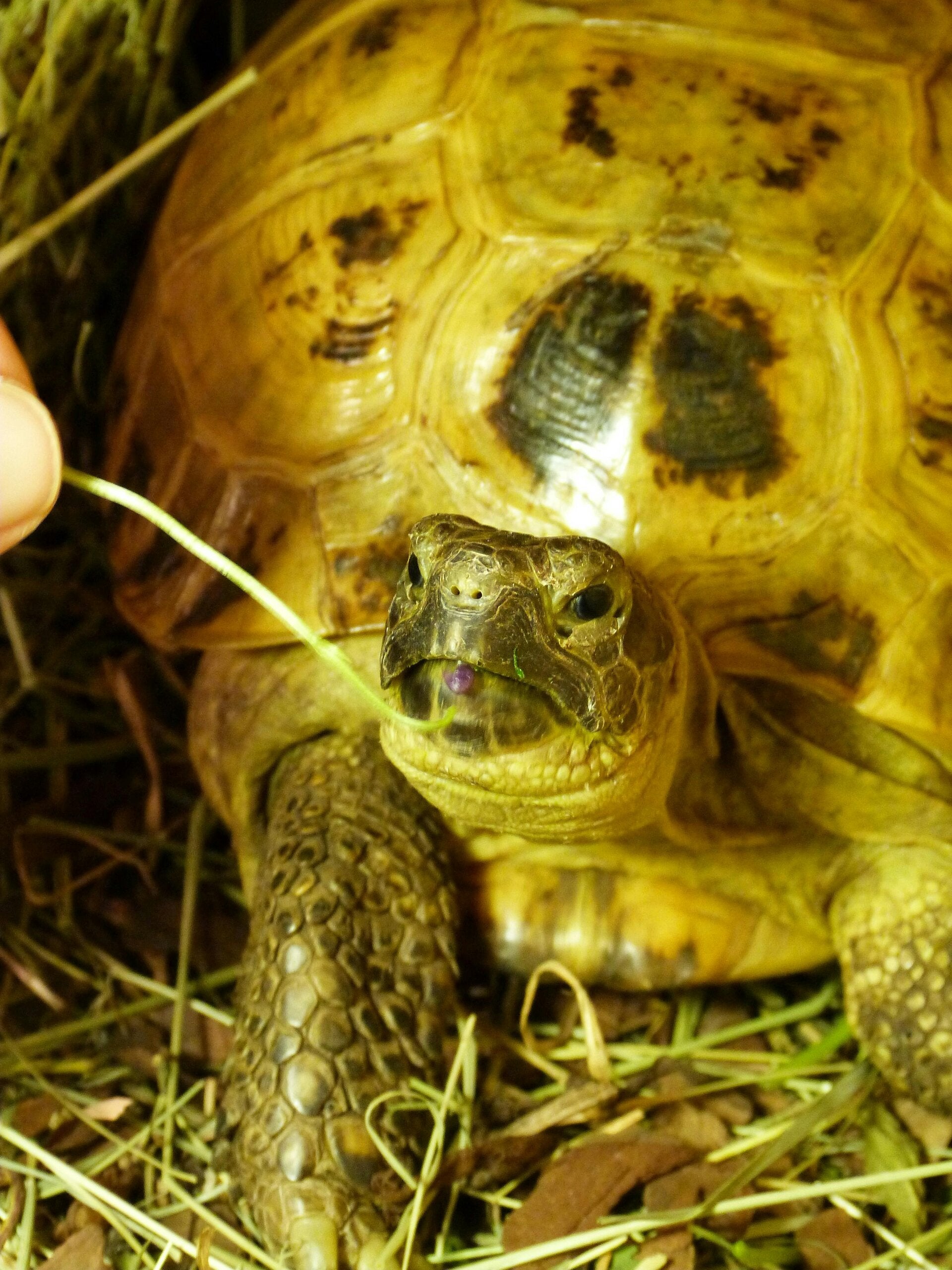
Reptiles often have impressive lifespans: leopard geckos live fifteen to twenty years, bearded dragons ten to fifteen years, and some turtle species can live thirty to fifty years or more. This represents a significant long-term commitment requiring stable housing and consistent care.
Fish lifespans vary tremendously by species, from two to three years for some tropical fish to twenty years or more for goldfish and koi when properly maintained. Hermit crabs can live ten to thirty years with proper care, though many die prematurely due to inadequate habitat conditions.

Pet-by-Pet Breakdown

Dogs
Best for: Active families with time for daily exercise, training, and companionship; experienced pet owners or those committed to learning; homes with secure yards or access to walking areas.
Challenges: Highest time and financial commitment, cannot be left alone for extended periods, require training and socialization, potential for property damage, need regular grooming, and create significant lifestyle constraints for travel and activities.
Birds
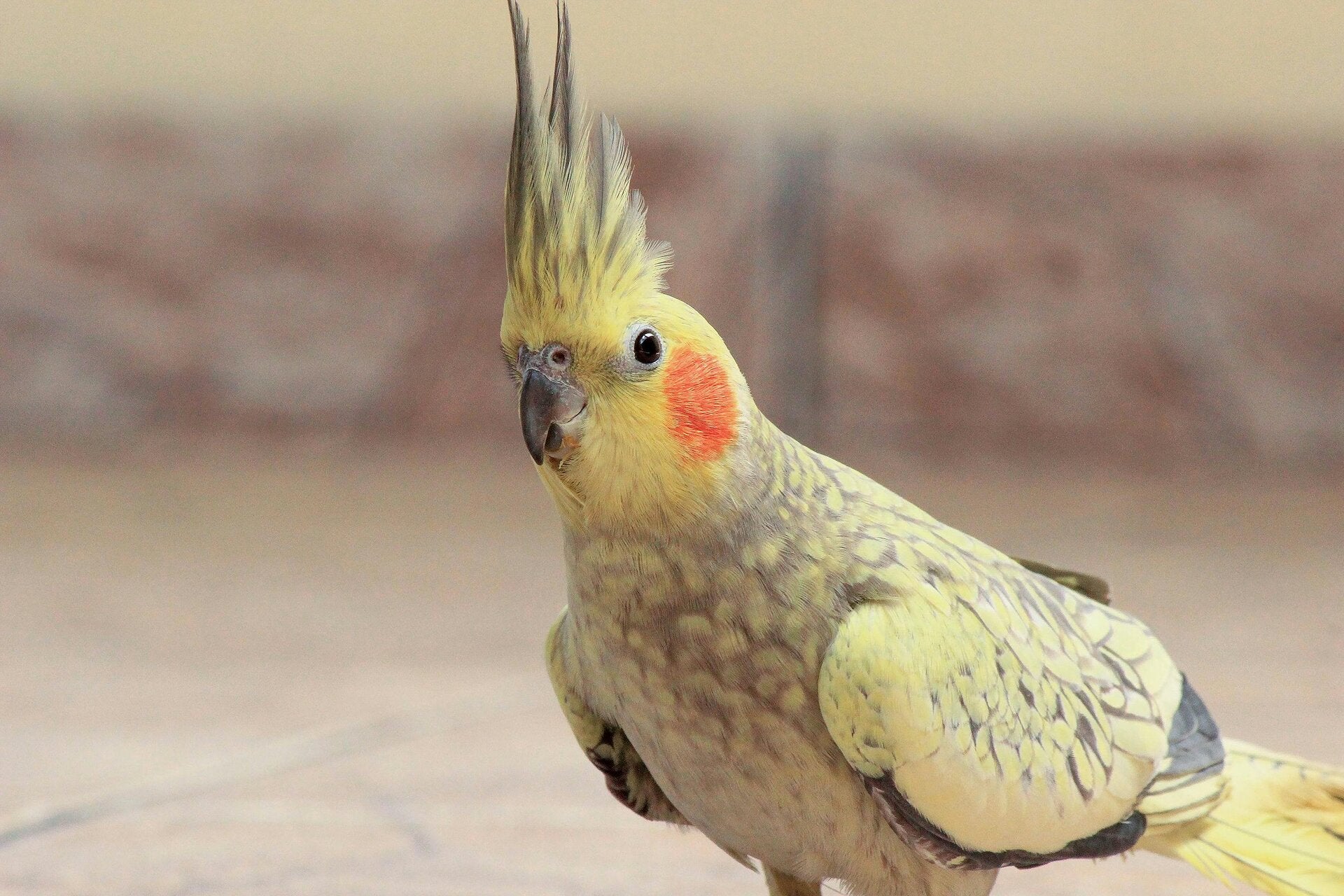
Best for: Patient individuals who enjoy teaching and interacting with intelligent animals; people home regularly who can provide attention; those seeking long-lived companions; experienced pet owners comfortable with specialized care.
Challenges: Can be extremely loud, require extensive daily interaction to prevent behavioral problems, bite when stressed or improperly handled, create mess with food and feathers, need large cages taking significant space, require avian veterinary specialists, and can live for decades representing major long-term commitment.

Reptiles
Best for: People who prefer observational pets over cuddly companions; those with allergies to furry animals; individuals interested in specialized pet keeping; experienced owners comfortable with specific environmental requirements.
- Challenges: Require precise temperature and humidity control, involve live or frozen food for many species (insects, rodents), need specialized lighting and equipment, can carry salmonella requiring careful hygiene, necessitate exotic animal veterinary care, represent very long commitments for some species, and typically do not seek or enjoy handling.

Cats
Best for: Working professionals who want companionship without constant attention requirements; apartment dwellers with limited space; those seeking affectionate pets with independent personalities.
Challenges: Litter box maintenance, potential for furniture scratching, some cats are aloof or particular about affection, can trigger allergies, and may have costly veterinary issues as they age.

Ferrets
Best for: Experienced pet owners who appreciate playful, mischievous personalities; people with time for daily supervised interaction and play; households without young children.
Challenges: Require ferret-proofing of home, distinctive musky odor despite descenting, can be nippy especially with children, need exotic animal veterinary care, are illegal in some locations, require significant out-of-cage time, and have high energy levels demanding active engagement.

Hermit Crabs
Best for: First-time pet owners or children learning responsibility; those with very limited time and budget; people wanting low-maintenance pets; individuals living in small spaces; allergy sufferers.
Challenges: Primarily observational with minimal interaction, require specific humidity and temperature ranges, have complex molting process requiring isolation, can live surprisingly long with proper care (longer commitment than expected), and need specialized supplies that aren't always available at standard pet stores.

Small Animals (Hamsters, Guinea Pigs, Rabbits)
Best for: Families with children learning pet responsibility; those with limited space; people seeking lower-cost pet options; individuals wanting interactive pets without dog-level commitment.
Challenges: Relatively short lifespans (especially hamsters), require regular cage cleaning, some are nocturnal (disruptive at night), may bite when startled or improperly handled, and require exotic animal veterinarians that may be scarce in some areas.

Fish Tanks
Best for: People with limited time for pet interaction; apartment dwellers; allergy sufferers; those who enjoy creating and maintaining aquatic ecosystems; individuals seeking decorative pets providing relaxation benefits.
Challenges: Significant initial setup costs, require weekly water testing and maintenance, equipment failures can be catastrophic, limited interaction compared to other pets, ongoing costs for food and supplies, and require care arrangements during travel, though less intensive than other pets.
Making Your Decision
Selecting the right pet requires honest evaluation of your lifestyle, resources, and commitment level. Consider creating a checklist of your circumstances:
- How many hours daily can you dedicate to pet care and interaction?
- What is your realistic monthly budget for pet expenses?
- Do you have children, and what are their ages?
- Does anyone in your household have allergies?
- What is your work schedule and travel frequency?
- Are you prepared for potential emergency veterinary costs?
- What is your living situation, and are there any pet restrictions?
- Do you want an interactive, affectionate pet or one you primarily observe?
- Are you prepared for a multi-decade commitment, or do you prefer a shorter-term pet?
Remember that every animal deserves a stable, loving home where their needs are consistently met. Choosing a pet that genuinely fits your lifestyle ensures both you and your new companion will thrive together. When in doubt, consider fostering before adopting, visiting with friends' pets of the species you're considering, or volunteering at local animal shelters to gain hands-on experience before making your final decision.
The right pet can bring immeasurable joy, companionship, and enrichment to your life. Taking the time to make an informed, thoughtful choice sets the foundation for a rewarding relationship that benefits both you and your new family member for years to come.
Written By
Vicky G
Pet Industry Experience 12yrs
Add comment
Comments